
Workshops
2025 Workshops
ARNI is committed to fostering cross-disciplinary AI and neuroAI research and engagement initiatives, as well as building strong partnerships with industry through workshops.
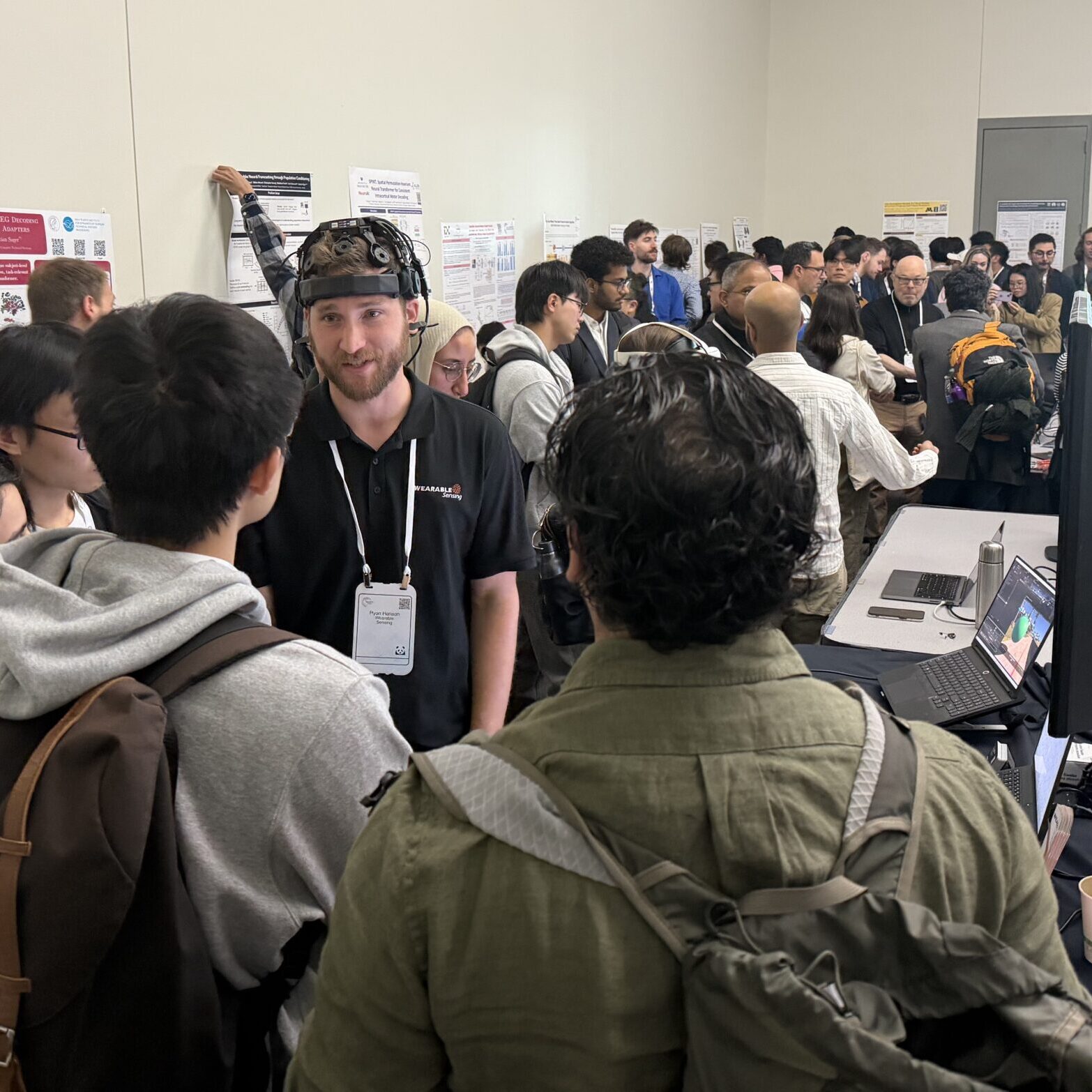
NeurIPS 2025 Conference
December 2, 2025 to December 7, 2025
On December 6th at NeurIPS, the Foundation Models for the Brain and Body workshop brought together leading researchers across AI, neuroscience, and physiology—showcasing the rapidly growing international momentum behind NeuroAI. The NSF AI Institute for Artificial and Natural Intelligence (ARNI) was proud to co-sponsor this event and help shape the next frontier of this emerging field.

torch_brain Buildathon
Collaboration between University of Pennsylvania & ARNI
November 12, 2025 to November 15, 2025
Understanding the brain means working with massive, complex datasets—but today’s tools remain fragmented and siloed. torch_brain is changing that. This open-source library offers a unified, modular framework for deep learning on neural data, lowering barriers to entry and enabling collaboration across labs, species, and modalities.
The workshop brought together ARNI members from the Paninski group (Columbia), Richards (Mila), and postdoc Mehdi Azabou, alongside collaborator Eva Dyer (UPenn). Together, they built new features, integrate models and datasets, and create interactive tutorials—laying the groundwork for a robust open-source ecosystem.
The team is also prepared a community-authored paper and launched broader adoption efforts through hands-on workshops and coded sessions at Penn, Columbia, and Mila. torch_brain is poised to become a central resource for the next generation of brain research- strengthening ARNI’s legacy in open, collaborative science.
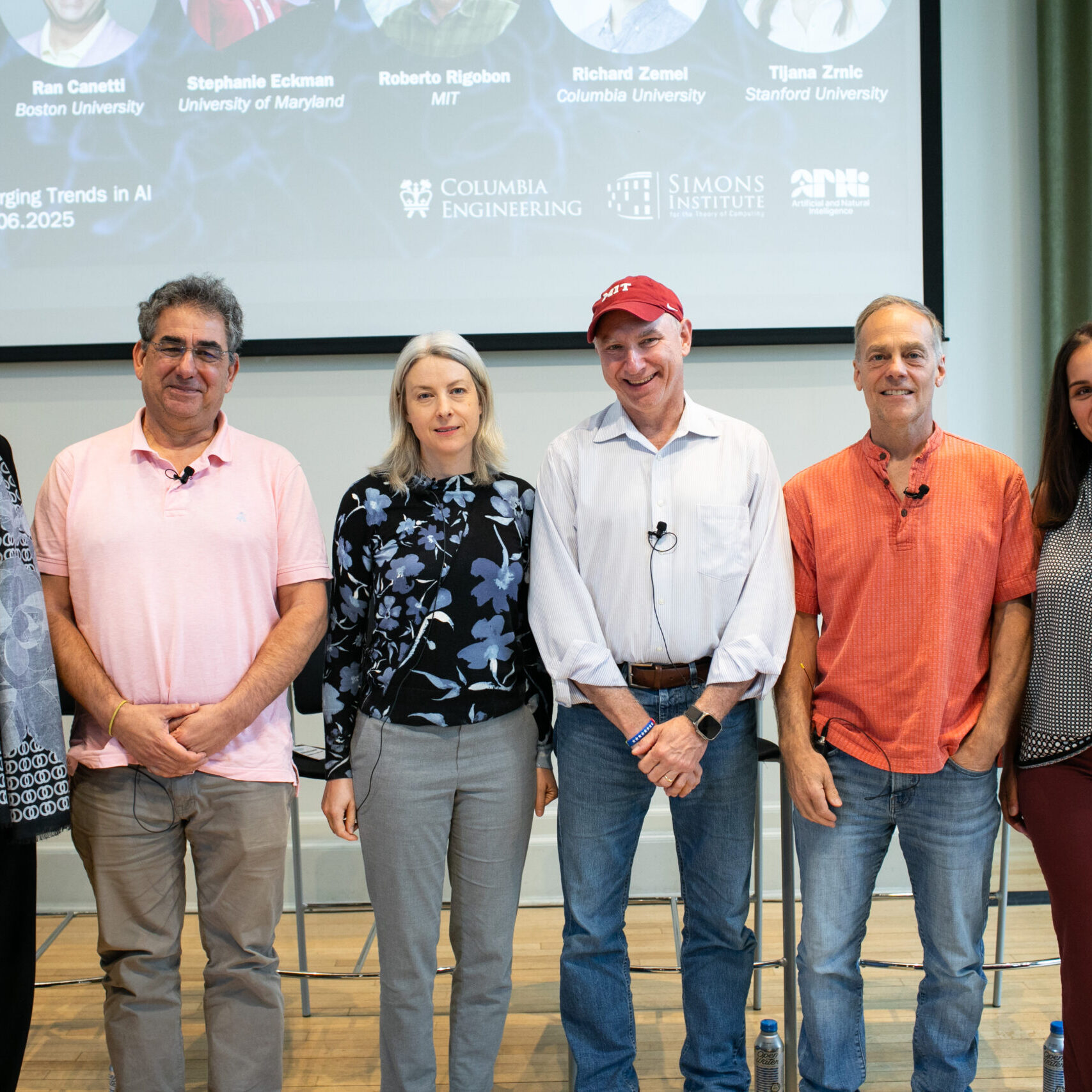
Workshop on Emerging Trends in AI
May 5, 2025 to May 6, 2025
This two-day workshop that brought together leading experts in machine learning (ML) and neuroscience to examine two emerging themes: (1) the relationship between brain resilience and algorithmic robustness, and (2) the role of ML-driven data generation in social sciences and the possible acceleration of scientific discovery.