|
ARNI Videos Series
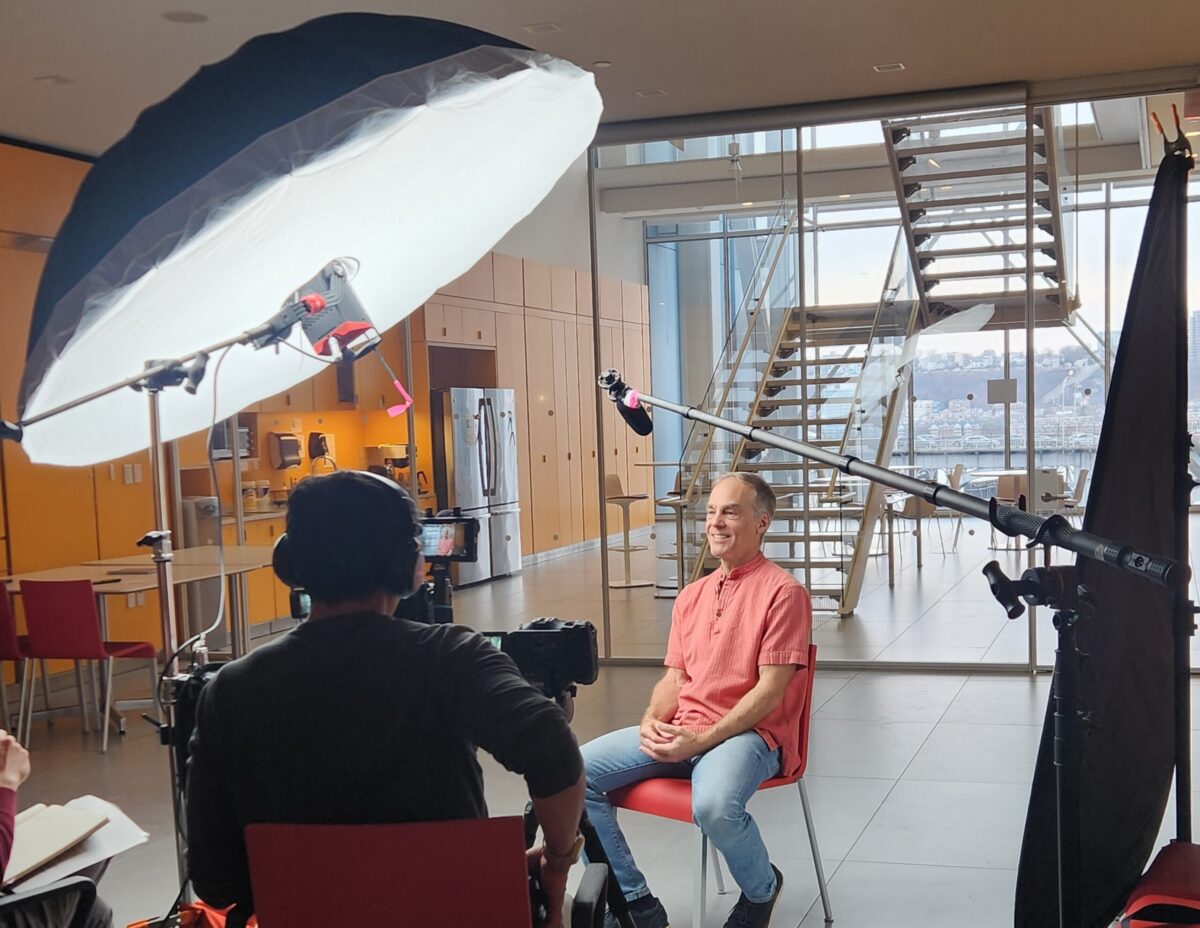
We’re excited to launch the first four videos in our series on how the brain can reshape AI systems and vice versa, featuring Richard Zemel (ARNI Director), Christos Papadimitriou (CU, ARNI co-PI), Tony Ro (CUNY), and Kim Stachenfeld (CU, Google DeepMind). |
| |
|
New Working Group: Language and Vision Working Group
- The ARNI Language & Vision Working Group aims to bring together researchers across neuroscience, cognitive science, computer science, and AI to collaboratively advance our understanding of how humans and machines construct multimodal experiences. Its goal is to create a space for discussing ongoing language- and vision-focused projects, identifying natural points of overlap, and transforming them into larger, interdisciplinary initiatives. Grounded in the idea that language and vision form a dynamic, symbiotic system rather than isolated modules, the group seeks to explore how this integration is represented in the brain and in the machine. Strengthening collaboration between these domains is essential for building the next generation of AI systems that learn from continual, multimodal input, reflect human cognitive principles, and ultimately support real-world human needs.
- Next session: Check out our events page for updates
- At the end of the news letter you can read more about the other working groups.
|
| |
|
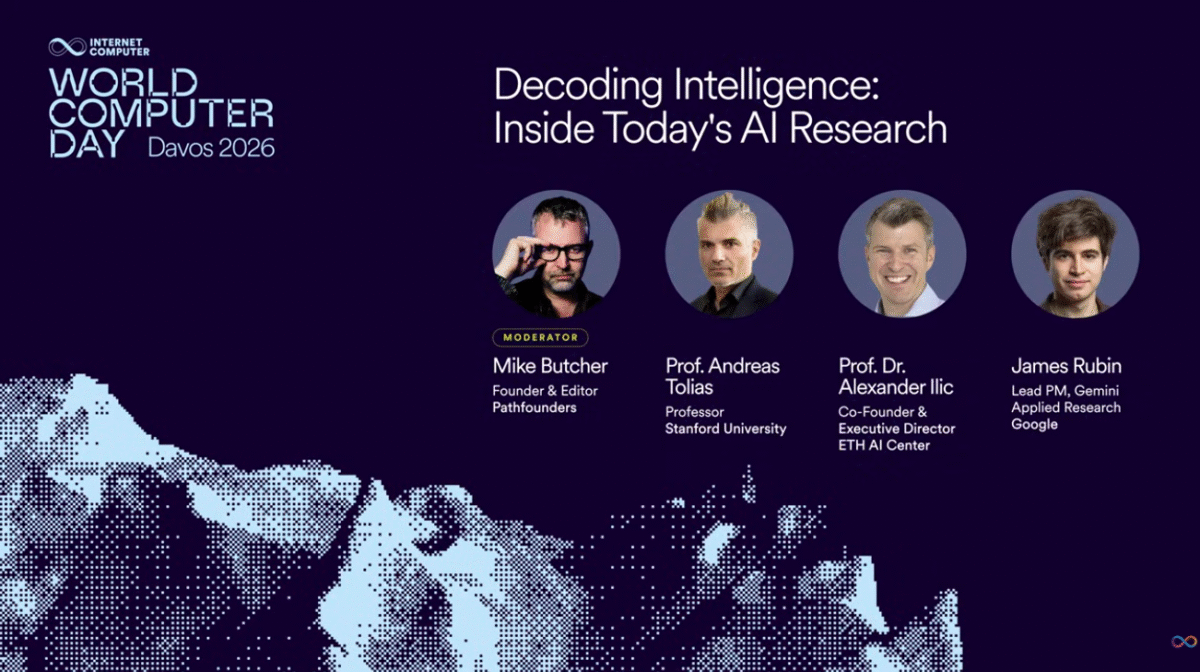
Andreas Tolias at World Computer Day at Davos 2026
Professor Tolias (Stanford, ARNI) joined the fireside chat session on Decoding Intelligence: Inside Today’s AI Research, together with Alexander Ilic - Co-Founder & Executive Director, ETH AI Center, and James Rubin - Lead PM, Gemini Applied Research, Google.
The session explored ongoing progress toward Artificial General Intelligence (AGI) and strategies to avoid “hitting a wall.” A key theme was that understanding how the brain generalizes may represent the next major paradigm needed to overcome current obstacles on the path to AGI. |
| |
|
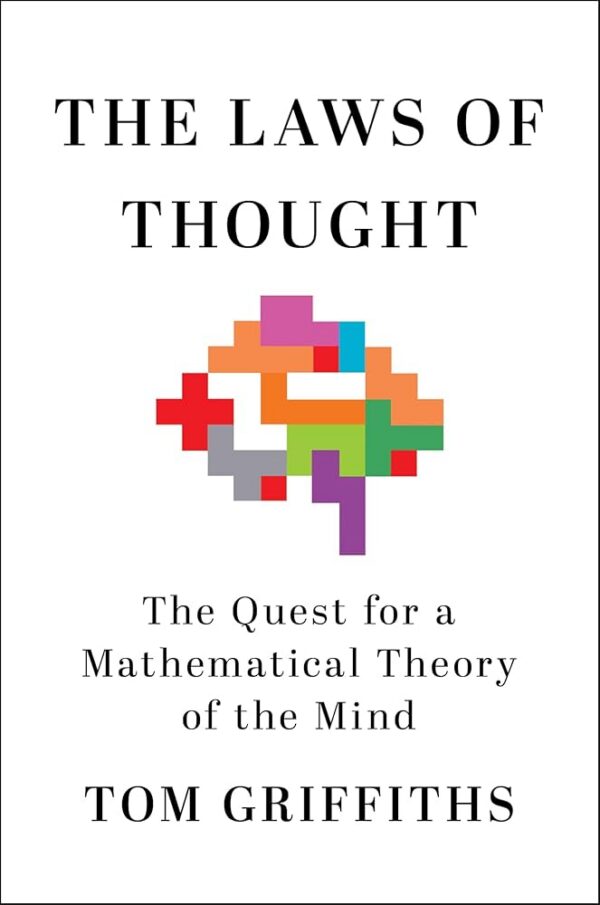
Tom Griffiths' The Laws of Thought
Congratulations to Tom Griffiths for publishing his new book: The Laws of Thought: the Quest for a Mathematical Theory of the Mind. It explores how mathematics has been used to understand human thinking, from early symbolic logic to the foundations of modern AI. Tom Griffiths, head of Princeton’s AI Lab, reveals the three major frameworks behind intelligence-rules, neural networks, and probability, showing how today’s AI still differs from the human mind |
| |
|
New Start Up Opportunity
We’re excited to share that Constellation, a NeuroAI startup co-founded by Mehdi Azabou (former ARNI postdoc), is hiring!
Constellation’s mission is to build the first foundation model of brain state — a powerful model trained on multiple high-quality data streams collected in unique spaces.
Open Positions: Software Engineers, AI Researchers and Data Scientists |
| |
|
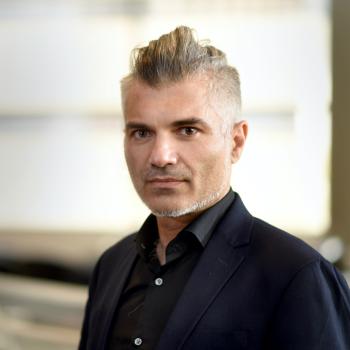
Kavli Seminar Series Speaker: Andreas Tolias
Andreas Tolias will present at Columbia University on March 6th as part of the Center for Theoretical Neuroscience Kavli Seminar Series.
Please stay tuned to our events page for details about the in-person presentation.
When: March 6th at 11:30am
Where: Zuckerman Institute |
| |
|
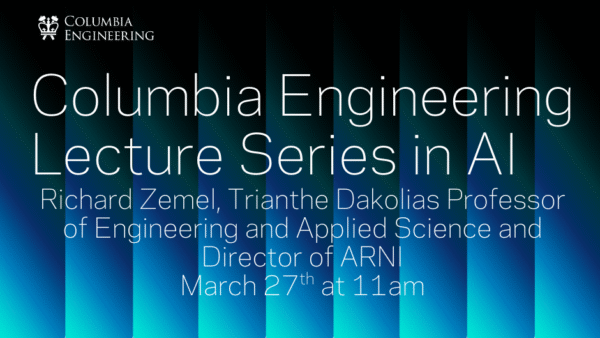
Featuring Richard Zemel
We’re excited to share that the ARNI Director will be speaking at the Columbia Engineering Lecture Series in AI on March 27th. Following the presentation, attendees will have the opportunity to meet Rich and engage in Q&A.
When: March 27th at 11am
Where: Davis Hall at Columbia University main campus |
| |
|
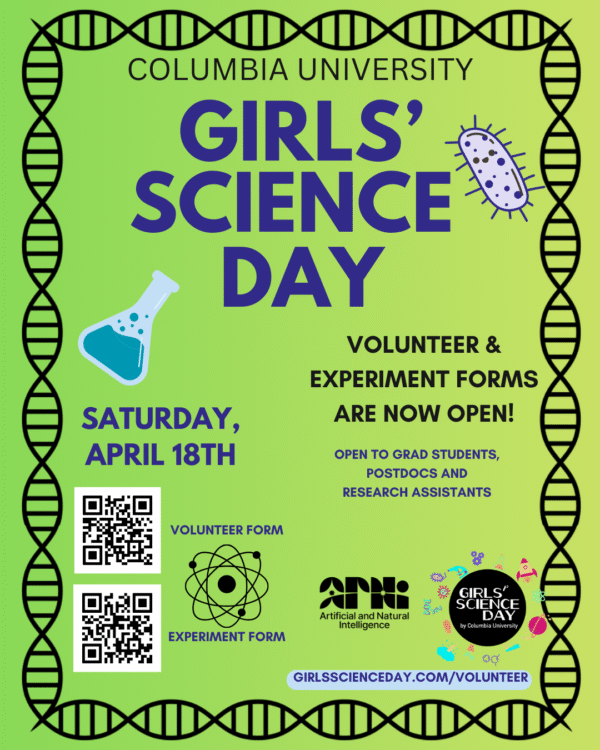
Support Girls' Science Day on April 18th
We’re excited to support Girls’ Science Day with Columbia Chemistry Outreach! This one-day event brings hands-on STEM experiences to NYC middle school students. Join the Feb 18 virtual info session and volunteer to inspire the next generation in STEM. |
| |
|
ARNI Distinguish Seminar Series Featuring
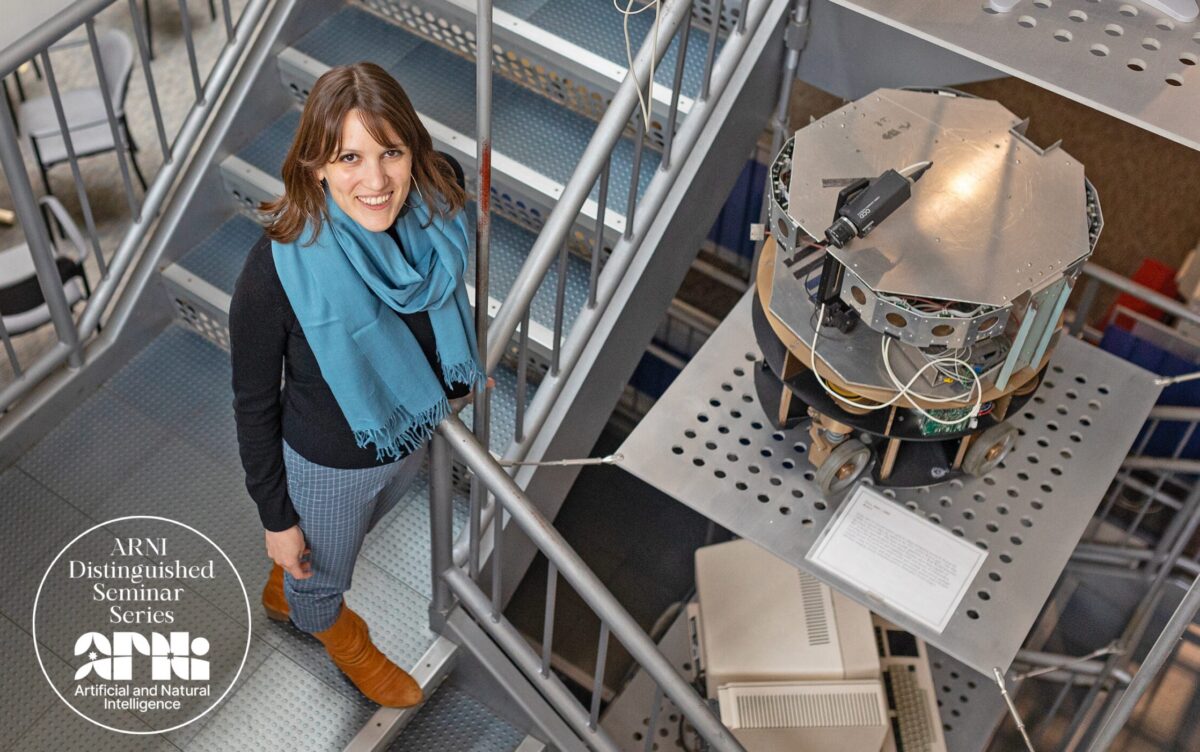
Ellie Pavlick
We are pleased to welcome Ellie Pavlick, Assistant Professor of Computer Science and Linguistics at Brown University and Director of the NSF AI Institute for Interaction for AI Assistants, as our next ARNI Distinguished Seminar speaker.
When: April 24th at 3:00 PM
Where: Kavli Auditorium (9th Floor), Zuckerman Institute (if you require access please contact [email protected]) |
| |
|
ARNI Suite of Research Resources |
| |
|
We’re building a shared library of research resources developed by the ARNI community including tools, datasets, and learning materials designed to advance NeuroAI for everyone. These resources are meant to support your projects and foster collaboration across ARNI and beyond.
Explore here: https://arni-institute.org/researchresources/ |
| |
|
ARNI Working Group Updates |
| |
|
ARNI Working Groups
ARNI Frontier Models for Neuroscience and Behavior Working Group (Priorly: Animal Behavior)
- Summary: The inaugural meeting will begin with a short talk summarizing the landscape of foundation models for neuroscience and behavior, highlighting recent advances, key challenges, and opportunities for improvement. This will be followed by an open discussion to define the group’s collaborative focus and shared priorities.
- Next session: Check out our events page for updates
ARNI WG Multi-resource-cost optimization of neural network models
- Summary: Neural network models are typically designed with a fixed architecture, determining the number of nodes, connectivity, and timesteps for backpropagation. While this approach helps limit resource requirements and optimize performance, it restricts the ability to explore tradeoffs between space, time, energy, and error. To address this, we aim to develop methods for quantifying resource costs and optimizing models to balance multiple constraints efficiently, benefiting both neuroscience and AI development.
- Next session: Check out our events page for updates
ARNI Biological Learning Working Group
- Summary: The Biological Learning Working Group focuses on figuring out how the brain’s neural networks decide which connections (synapses) to adjust to improve at tasks—a process called "credit assignment.
- Next Session: Check out our events page for updates
ARNI Continual Learning Working Group
- Summary: The group's focus will be on continual learning in large language and vision models. We will begin with a review of the continual learning setting, some common high-level approaches, and popular applications, before diving into more recent research (mostly on LLMs).
- Next Session: Check out our events page for updates
|
| |
|
We would like to highlight ARNI achievements in future newsletters. Please share with us your events, papers, presentation, or any news you want to share with the ARNI community! |
| |
|